
Parks, trails and
open space
economic studies
We measure what open space, trails, parks and waterfronts return to the communities that invest in them, from visitor spending and property values to public health and environmental benefits. A selection of our studies follows.
Protected open space
- Northampton County Return on Environment & Outdoor Recreation Economic Impact The county's open space delivers an estimated $435 million in annual ecosystem service benefits and $2.5 billion in lifetime carbon storage value.
- Valuing the Potential Economic, Social, and Environmental Impacts of the Philly Tree Plan The plan is projected to generate over $1.6 billion in economic impact from capital investments and $20 million a year from tree care staffing and contracting.
- Return on Environment: The Economic Impact of Protected Open Space in Mercer County, New Jersey For the Mercer County Planning Department, the economic, environmental and public health benefits of the county's open space.
- The Economic Value of Protected Open Space in Chester County, PA An update of the original Chester County report, as protected open space in the county grew to 208.01 square miles.
- The Economic Value of Protected Open Space in Southeastern Pennsylvania Values the protected open space that makes up 14 percent of the land area in Bucks, Chester, Delaware, Montgomery and Philadelphia counties.
Trails and greenways
- The Statewide Impacts of the September 11 National Memorial Trail in Pennsylvania The trail is projected to support more than eight million annual users, $2.0 billion in recurring annual economic impact and nearly 19,600 jobs.
- The Economic Impact of Montgomery’s Riverfront Greenway Trail For the City of Montgomery, Alabama, the economic impact of its Riverfront Greenway Trail and the city's investment in it since 2016.
- The Economic, Environmental, and Public Health Impacts of the Trans Canada Trail The trail generated an annual economic impact of C$23.1 billion, including C$13 billion in user spending, and supported 221,500 jobs.
- A Delaware Canal for the 21st Century Governance and management options for the historic Delaware Canal corridor, evaluated for Delaware Canal 21 by a team of consultants led by ESI.
- The Impacts of East Central Wisconsin’s Bike and Pedestrian Facilities on the Regional Economy The completed network would support nearly 13,000 jobs, generate more than $85 million in state and local taxes and raise property values by more than $500 million.
- The Economic, Health, and Environmental Benefits of Completing The Capital Trails Network Completing the network would generate more than $2 billion in economic output from construction activity and attract 930,000 regular trail users.
- Quantifying the Impact of Completing the East Coast Greenway in the Delaware River Watershed Completing 175 miles of multi-use trail in the watershed would bring $840 million in annual tourism benefits.
Parks and waterfronts
- The Reimagining of FDR Park: The Economic Impact and Return on Environmental Resiliency Over 5.3 million people visited the park in 2022, and its total annual recreation value exceeded $1.4 million.
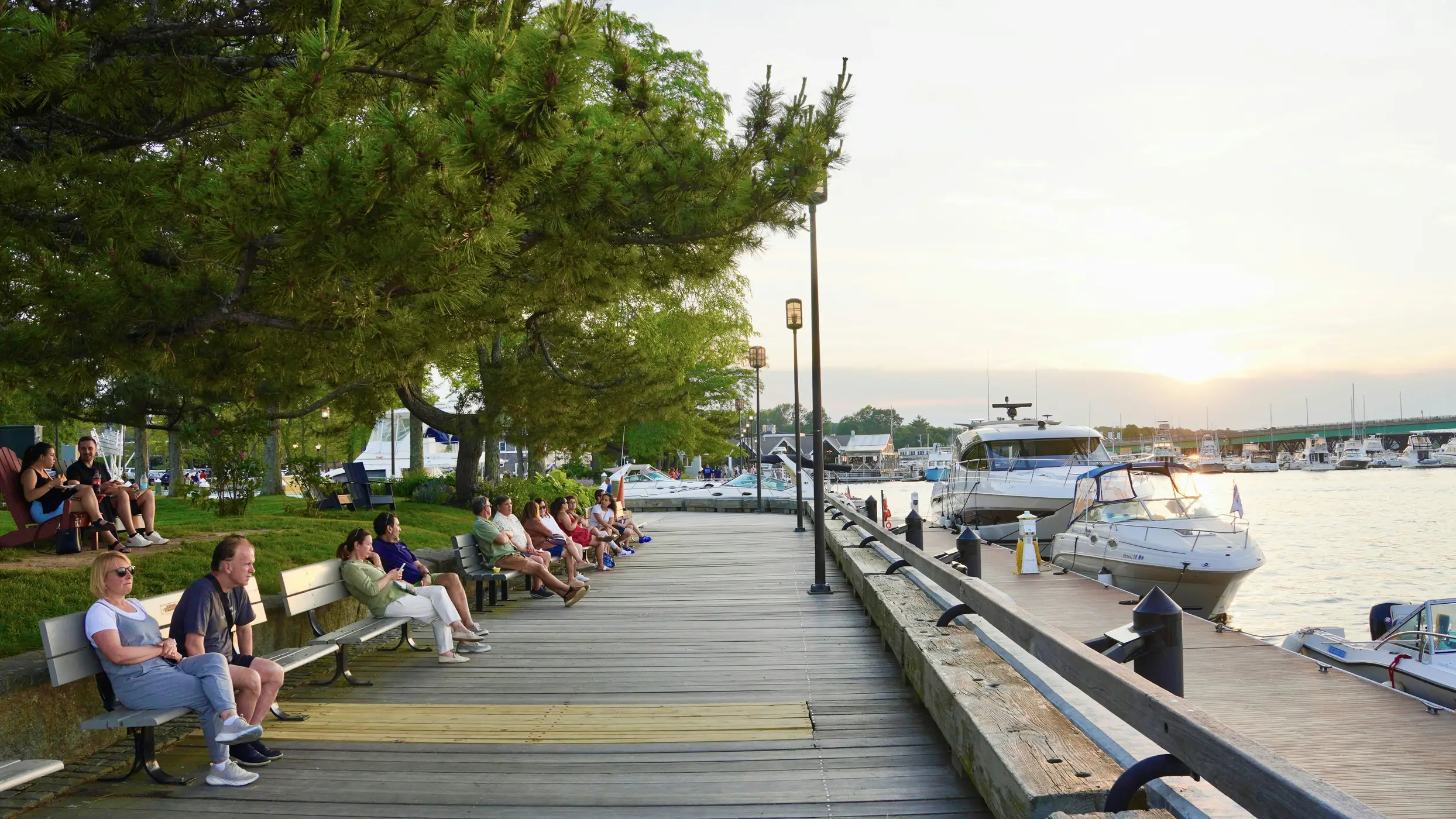
- DRWC and the Delaware River Waterfront’s Transformation Nearly $100 million in public infrastructure and roughly $1.11 billion in private development since 2014, with an economic impact of roughly $2 billion.
How we work
These studies are part of our Economic and Community Planning core service.
- The model
- We use IMPLAN input-output modeling to estimate construction-phase and ongoing economic activity, jobs, employee compensation and state and local tax revenue.
- Environmental services
- We put a value on what land does for water quality, flood mitigation, wildlife habitat, air pollution removal and carbon sequestration, using established sources such as the U.S. Forest Service's i-Tree model.
- Property values
- We estimate how a home's proximity to open space affects its residential property value.
- Health
- We quantify health care cost savings and productivity gains from increased physical activity, using Census data, CDC physical activity guidelines, peer-reviewed research and trail user surveys.
- Local input
- We gather input from local officials, community organizations and businesses through interviews, questionnaires, focus groups, public meetings and community pop-up outreach.
Questions clients ask
-
Who commissions these studies?
County planning departments and commissions, regional planning bodies, land trusts, trail coalitions and alliances, city parks departments, park conservancies, waterfront organizations and the nonprofits that care for historic corridors.
-
What is a Return on Environment study?
Return on Environment is the name of a series of our studies that measure what a county's or region's protected open space is worth: the environmental services it provides, its effect on nearby property values, and the recreation, health and economic activity it supports.
-
Can you study a trail that has not been built yet?
Several studies on this page estimate the effect of completing a planned network, such as the Capital Trails Network and the East Central Wisconsin bike and pedestrian network. Others look back at investment already made, such as Montgomery's Riverfront Greenway Trail since 2016.
-
Where do you do this work?
We work with clients nationally. The studies on this page cover Pennsylvania, New Jersey, the Washington, DC area, the Delaware River Watershed, Alabama and Wisconsin, as well as the Trans Canada Trail.
-
How long does a study take?
Timing depends mostly on the data available, such as visitation counts and trail user surveys, and on how much stakeholder and public input the work includes. We set a schedule with each client at the start of the engagement. Timelines range from 6 weeks to 12 months depending on the level of engagement, public comment and the impact categories examined.
Related services and practice areas
 Economic and Fiscal Impact Analysis
Measure the activity, jobs, and tax revenue an institution or project generates. Explore
 Infrastructure Economics
Benefit cost analysis for transportation projects, TOD market analysis, property value analytics. Explore
 Real Estate and Land Use Planning
Market and feasibility studies, highest-and-best-use, and the economics of land use and development. Explore