
Sports and venue
economic impact studies
We prepare economic and fiscal impact studies for stadiums, arenas and teams, for college athletics programs, and for sports events and tournaments. A selection of our studies follows.
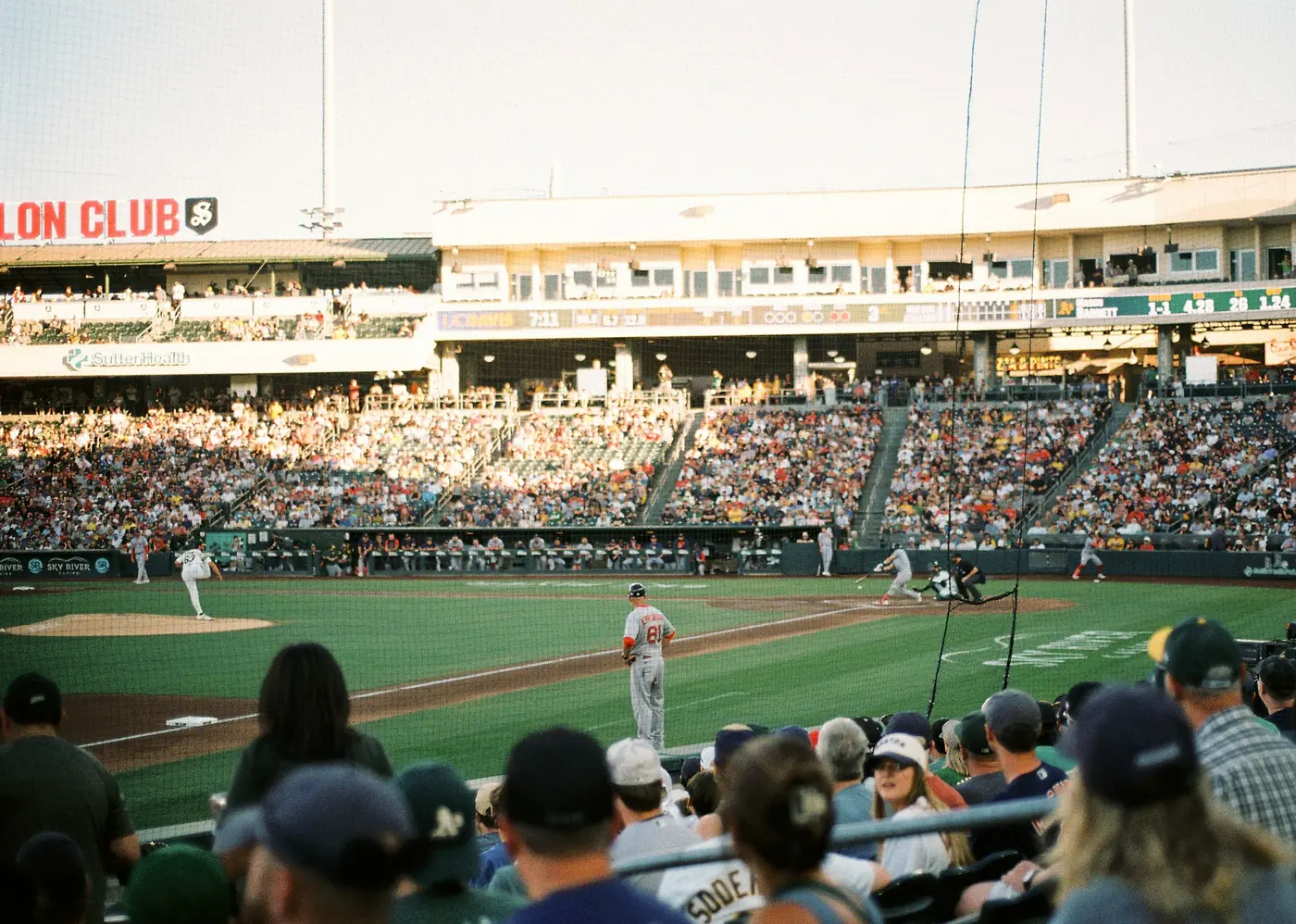
Stadiums, arenas and teams
- The Projected Economic Impact of the Kansas City Chiefs A $4.5 billion stadium, practice facility and surrounding development in Kansas, projected at $8.2 billion in one-time impact and $1.5 billion a year.
- The Potential Economic Impact of 76 Place at Market East A proposed 18,500-seat arena and mixed-use development for the Philadelphia 76ers: economic, fiscal and real estate effects.
College athletics
- Friars Forever: The Economic and Social Impact of Providence College Athletics $100.3 million a year across Rhode Island, including more than 400,000 visitors to athletics events.
- Economic and Social Impacts of University of North Carolina System Athletics All 15 UNC System athletics programs: $807 million a year in North Carolina, supporting 6,340 jobs.
- The Economic and Social Impact of the University of Minnesota Twin Cities Athletics $473.7 million a year statewide and more than 3,500 jobs, with a review of the department's social impact.
- Economic Impact of University of Wisconsin-Madison Athletics Department Operations, capital projects and the nearly two million visitors a year that UW Athletics events bring to campus.
- Economic Impacts of Rutgers Athletics and Future Implications of the Big Ten Athletics and visitor spending as Rutgers joined the Big Ten: $138 million in output across New Jersey.
University impact studies that include athletics
These studies measure a whole university, with athletics counted as part of its impact.
- Clemson University Economic Impact Study University athletics is one of the impact categories within $6.4 billion a year statewide.
- The Anchored University: Economic Impact of the University of Pennsylvania Student, patient, visitor and athletic spending is counted with operations, capital and research across Philadelphia, a 14-county region and Pennsylvania.
- Doing Good: The Economic and Social Impact of the University of Notre Dame Athletics events, football above all, add $243 million a year in regional output and nearly 1,800 jobs.
- Dynamic Davidson: Impacting Community, Economy, and Society Athletics events drew about 100,000 visitors in 2023, who spent approximately $4.3 million.
- The Denver Difference: The Economic and Social Impact of the University of Denver Athletics visitor spending is counted within $2.3 billion of impact in Colorado.
- The Economic Impact of Temple University and Temple Health Spending by athletics attendees is counted within $11.1 billion of impact across Pennsylvania, for the university and its health system.
- For the Common Good: The Economic and Social Impacts of Villanova University Student and visitor spending, athletics included, is one of four impact categories, measured from Radnor Township to all of Pennsylvania.
Sports events and tourism
- Celebrating 250 Years: Economic Impacts of Increased Tourism in Montgomery County in 2026 The FIFA World Cup, the PGA Championship and the 250th anniversary: an estimated $87 million in added visitor spending in the county under a 20% growth scenario.
- The Economic and Social Impact of Cobbs Creek Golf Course Renovating a championship course and tournament site: $201 million in one-time impact in Philadelphia, plus annual visitor spending.
- The Economic Impacts of Sports Events in Centre County Sporting events across the county, Penn State athletics included: more than $400 million a year and more than 4,300 jobs.
How we work
These studies are part of our Economic and Fiscal Impact Analysis core service.
- The model
- We build an input-output model in IMPLAN, the industry-standard software, and report direct, indirect and induced effects as economic output, jobs, employee compensation and tax revenue.
- One-time and annual effects
- Construction and capital investment are reported as one-time effects, separate from the recurring effects of operations and visitor spending once a facility or program is running.
- Visitor spending
- Attendance and attendee profiles come from teams, venues, event operators and athletics departments, with separate spending profiles for local visitors, day-trippers and overnight guests.
- Geography
- We estimate each effect for the places a decision involves, from a city or county to a metro area or a whole state.
- Fiscal effects
- Tax revenue comes from applying effective state and local tax rates to the activity the model produces, accounting for any exemptions in the project's financing.
Questions clients ask
-
Who commissions these studies?
Teams and their development partners, athletics departments and university systems, tourism and destination agencies, and the foundations behind community sports facilities.
-
Can you study a stadium or an event that has not happened yet?
Several studies on this page are projections built from a client's development budget, operating plans and expected attendance, such as a stadium planned for the 2031 season or the visitors expected in a year of major events.
-
What can a study cover beyond the economic figures?
As appropriate, we can document impacts related to community service by student-athletes, alumni giving, licensed merchandise and media exposure, and the attention a destination gains from hosting events. We also can quantify the potential catalytic impacts of broader redevelopment efforts surrounding venues and stadium districts.
-
Where do you do this work?
We work nationally. The studies on this page cover projects and programs in Kansas, Pennsylvania, New Jersey, Wisconsin, North Carolina, Minnesota, Rhode Island, Indiana, South Carolina and Colorado.
-
How long does a study take?
Timing depends mostly on how quickly attendance, spending and operating data can be gathered from our clients. We set a customized schedule with each client at the start of the engagement based on their needs and potential external drivers. The work can be as short as 4 weeks or up to 4 months depending on demands.
Related practice areas
 Anchor Institution Impact
How universities, hospitals, and other anchors create economic value beyond their walls. Explore
 Economic Development and Sector Strategy
Economic development strategy and industry analysis that grows local and regional economies. Explore
 Real Estate and Land Use Planning
Market and feasibility studies, highest-and-best-use, and the economics of land use and development. Explore